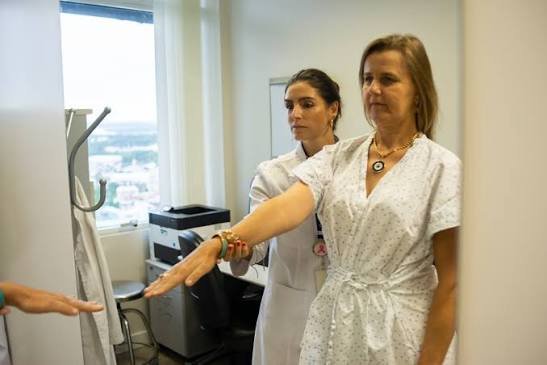



Women experience a wide range of physical changes throughout their lives. Obstetricians and gynecologists, commonly known as OBGYNs, specialize in female reproductive health. They provide comprehensive care starting from early adolescence and continuing into the later years of life. By focusing on preventive screenings, reproductive planning, and symptom relief, these professionals help patients navigate distinct biological milestones.
Gynecology Services
Routine check-ups form the foundation of lifelong reproductive care. During an annual well-woman visit, providers evaluate overall health and screen for potential issues. These appointments can include pelvic exams, breast exams, and Pap tests to detect early signs of cervical changes. Early detection leads to better health outcomes, which makes these routine screenings a valuable part of preventive care.
An OBGYN also offers guidance regarding menstrual cycle irregularities, pelvic pain, and contraceptive options. By discussing these topics openly, patients may gain a better understanding of their bodies and make informed decisions about family planning. Doctors help adolescents navigate their first gynecological visits by explaining normal anatomical development and establishing a space to ask questions. Regular visits allow patients to track their baseline health and address subtle changes before they develop into significant concerns. They also provide testing and treatment for various infections, offering a confidential and supportive environment for patient education.
Prenatal Care
Obstetricians guide expecting mothers from preconception planning through childbirth and the postpartum period. Before pregnancy, a doctor evaluates a patient’s health history and discusses lifestyle adjustments to optimize maternal wellness. During the nine months of pregnancy, frequent appointments help doctors track fetal development and monitor maternal health.
Ultrasound imaging and routine tests provide a clear picture of the pregnancy’s progression, which includes screening for potential complications like gestational diabetes and pregnancy-related high blood pressure. Expectant mothers receive guidance on lifestyle modifications and labor preparation. For high-risk pregnancies, specialists coordinate care plans to protect both the mother and the developing baby.
Menopause Management
As women age, their reproductive systems naturally transition away from childbearing. Perimenopause marks the beginning of this phase, which is characterized by fluctuating hormones and irregular menstrual cycles. Menopause officially begins when a woman goes 12 consecutive months without a period. During this time, many patients experience hot flashes, mood shifts, and sleep disruptions.
OBGYNs provide significant relief through targeted therapies and lifestyle recommendations. They discuss options like hormone replacement therapy or alternative treatments, aiming to minimize physical discomfort. Doctors evaluate each patient’s medical history to find the most appropriate method for symptom management.
Beyond immediate symptoms, specialists also focus on long-term wellness. Decreased estrogen levels affect bone density and cardiovascular health. OBGYNs also address concerns related to vaginal health and changing intimacy needs. Having a knowledgeable advocate during this transition allows women to maintain their quality of life and embrace the aging process with clarity.
Meet With Your OBGYN
Establishing an ongoing dialogue with your provider improves your overall health outcomes. Documenting cycle dates, pain levels, and unusual physical changes gives your doctor precise data to analyze, which helps them recognize patterns faster. Scheduling regular visits keeps you informed about your health, equipping you with the knowledge to make informed medical decisions at every age.