A pain clinic is a healthcare facility that focuses on the diagnosis and management of chronic or acute pain conditions. Pain clinics provide specialized care for chronic conditions, and they help individuals improve their daily function. By systematically addressing the root causes of physical distress, these facilities provide structured treatment plans to improve people’s health. Here’s information on the core components of these facilities and how they improve the quality of life for many individuals:
Accurate Diagnosis
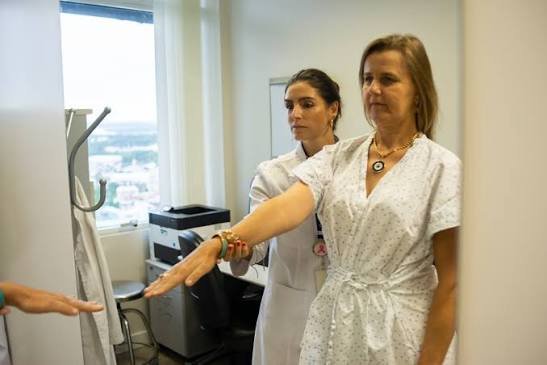
Pain management facilities offer a comprehensive medical evaluation, utilizing advanced imaging and physical assessments to pinpoint the origins of symptoms. After a thorough diagnostic process, providers offer non-surgical and surgical treatment options to address the underlying structural or neurological issues. A pain clinic provides access to many interventions, ranging from minimally invasive injections to surgical procedures. Some service options include:
- Regenerative Therapies
- Decompression Surgery
- Nerve Blocks
- Radiofrequency Ablation
- Kyphoplasty
Precise diagnostics are done to determine what pain management strategies are most effective for each individual’s circumstances.
Tailored Treatment
Once an accurate diagnosis is established, the medical team develops a personalized care plan. These plans often incorporate a variety of specialized techniques to target the exact nature of the injury or condition. Conservative treatment options are often utilized first, and regenerative therapies benefit many pain-related conditions. Regenerative therapies use biological materials to support the body’s natural healing processes.
PRP therapy utilizes highly concentrated platelets drawn from your own blood injured tissues, promoting healing and inflammation reduction. Stem cell therapy introduces specific biological cells into injured tissues to promote healing. Providers inject these materials into damaged areas, and the process supports tissue repair without the need for invasive surgery. These therapies are frequently utilized for joint issues, tendon injuries, and ligament damage.
Kyphoplasty
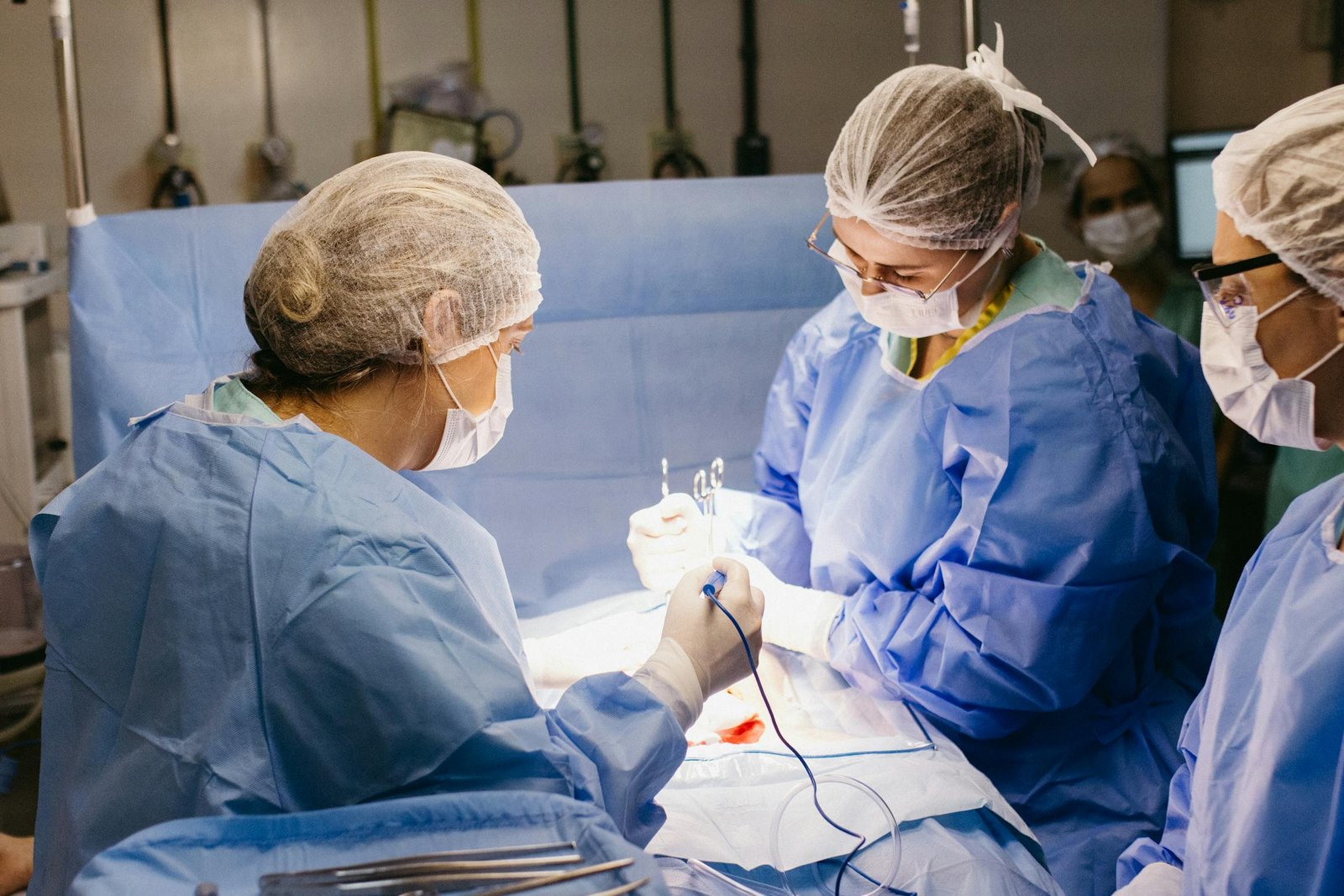
Kyphoplasty is a minimally invasive surgical procedure primarily used to treat spinal compression fractures. During this specific procedure, a specialist inserts a small orthopedic balloon into the fractured vertebra to restore its original height. Once the proper space is created within the bone, special bone cement is injected, stabilizing the structure. This mechanical support helps restore proper posture and provides stability to the compromised spinal column.
Decompression Surgery Options
When structural issues compress spinal nerves, decompression surgery offers a direct approach to relieve the physical pressure. Procedures such as laminectomies or microdiscectomies remove sections of bone or herniated disc material that impinge on neural pathways. Addressing this physical compression can mitigate nerve-related symptoms like localized numbness, tingling, or radiating discomfort down the extremities.
Active Follow-up
Recovery does not end once a specific procedure or therapy session is complete, which is why follow-up appointments are invaluable. Active follow-up is an integral component of comprehensive care provided by a pain management clinic. Regular appointments allow healthcare providers to monitor physical progress, assess the ongoing effectiveness of the treatment, and make necessary adjustments to the medical care plan. Consistent observation verifies that complications are addressed promptly, and it keeps the recovery trajectory on track.
Visit a Pain Clinic Today
Living with persistent physical discomfort can affect many aspects of daily functioning and mobility. At a specialized facility, you access an organized, professional approach to symptom management. From the initial diagnostic evaluation to the final follow-up appointment, these clinics provide clear medical plans toward improved function. Visit a pain clinic today to begin discussing a structured, comprehensive plan for your recovery.