



Plastic surgery is dedicated to the restoration, alteration, and reconstruction of the human body. The discipline divides into two primary categories: cosmetic surgery and reconstructive surgery. Both branches utilize similar surgical techniques and foundational medical principles, but their ultimate goals, clinical approaches, and specific patient applications differ significantly.
What Is Cosmetic Plastic Surgery?
Cosmetic plastic surgery is a field that focuses strictly on enhancing a patient’s physical appearance. Surgeons perform these procedures to improve certain factors, such as aesthetic appeal, physical symmetry, and bodily proportion. The anatomical structures treated during cosmetic surgery function properly and lack any disease or trauma-induced abnormality.
The primary objective of cosmetic surgery centers on visual enhancement. Patients choose cosmetic surgery to align their physical appearance with their personal aesthetic goals. Surgeons rely on advanced surgical techniques to reshape normal anatomical structures safely and effectively. Surgeons approach these elective operations with the sole intent of refining the patient’s existing features, focusing on aesthetic outcomes rather than functional repair.
What Is Reconstructive Surgery?
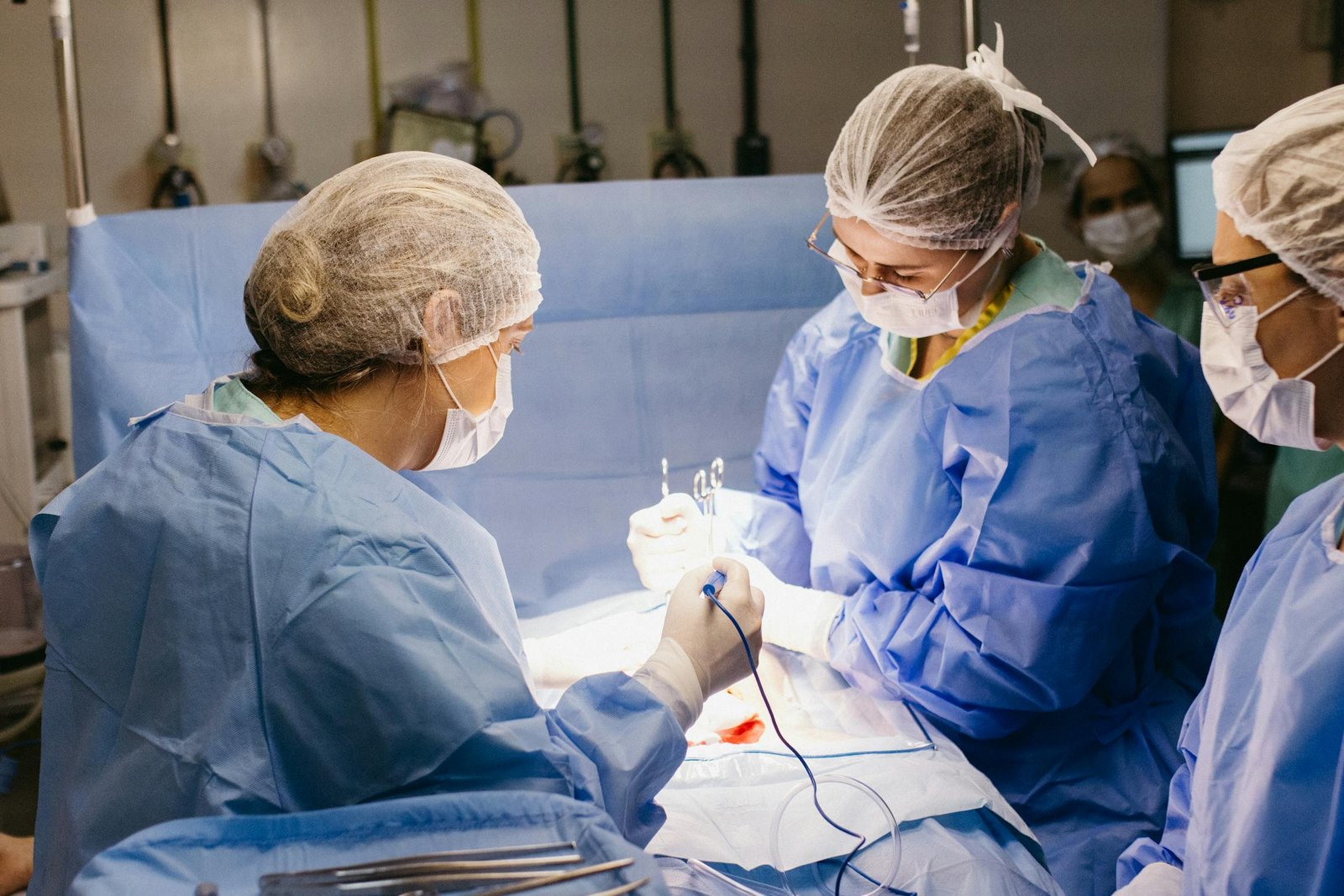
Reconstructive surgery aims to restore both form and function to abnormal structures of the body. These physical abnormalities result from a variety of sources, including congenital defects, developmental anomalies, physical trauma, or disease. Surgeons utilize targeted reconstructive techniques to repair physical damage and maximize structural function. They also strive to achieve the most normal appearance possible under the given medical circumstances.
Unlike elective aesthetic procedures, reconstructive surgeries possess a purely restorative focus. Medical professionals use these complex operations to help patients regain bodily mobility, repair trauma from accidents, or rebuild tissue after tumor removal. This specialty can rely heavily on complex problem-solving, advanced tissue-transfer methods, and intricate microsurgery to rebuild damaged physical structures and restore normal physiological functions.
What Falls Under Them?
To fully grasp the distinction between the two disciplines, one may examine the specific surgeries performed within each surgical branch. Surgeons train rigorously to master the specific techniques required for both categories. Cosmetic surgery includes a wide array of procedures designed specifically to reshape normal, healthy anatomy. Common examples include:
- Breast Enhancement: Augmentation, lifting, or reduction performed solely for aesthetic purposes.
- Facial Contouring: Nose reshaping or cheek augmentation to improve facial balance.
- Facial Rejuvenation: Facelifts and brow lifts aimed at treating the natural aging process.
- Body Contouring: Liposuction and tummy tuck treatment to refine the body’s silhouette.
Reconstructive surgery involves complex procedures tailored to specific functional impairments or deep structural deficits. Examples include:
- Breast Reconstruction: Rebuilding the breast tissue following a mastectomy or lumpectomy for breast cancer treatment.
- Trauma Surgery: Repairing facial fractures, severe lacerations, or structural damage resulting from vehicular accidents, physical assaults, or falls.
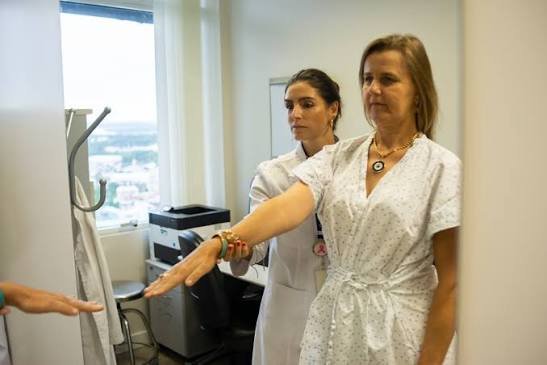
Consulting directly with a plastic surgeon provides clarity regarding individual treatment paths.
Confer With a Plastic Surgeon
A trained surgeon can evaluate specific anatomical concerns with a patient. They may discuss the realistic outcomes of various surgical approaches and outline the exact recovery protocols required after the operation. Establishing open, direct communication with a trained surgical specialist allows patients to make highly informed decisions, helping to establish expected outcomes.

Leave a Reply