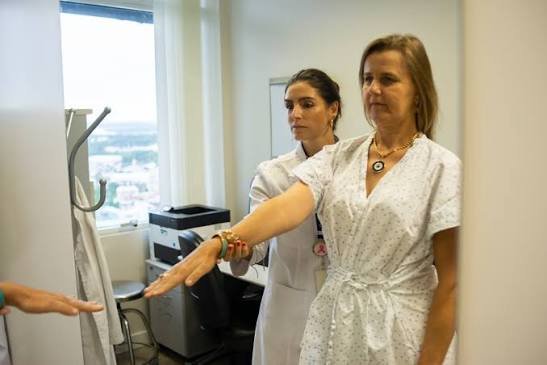



Physical therapy focuses on evaluating, maintaining, and restoring physical function. Physical therapists, or physiotherapists, are professionals who customize exercise programs to address various physical impairments. They utilize evidence-based movement techniques and manual therapy to improve musculoskeletal injuries and conditions. Following an injury, physiotherapists provide structured interventions to support healing processes while promoting safe, progressive functional improvement. Here is information on physical therapists and their role in injury rehabilitation:
Encouraging Positive Long-term Outcomes
The primary goal of rehabilitation is to help individuals return to their daily routines by improving their mobility. Individuals typically visit a physical therapist after sustaining an acute injury, undergoing surgery, or experiencing chronic movement limitations resulting from prior trauma. Primary physicians frequently refer their patients to physical therapy once the initial acute phase of an injury stabilizes. People may also contact a physiotherapist to address musculoskeletal issues like:
- Joint Stiffness
- Muscle Weakness
- Functional Deficits That Hinder Movement
Physiotherapists structure treatment plans to support long-term health, but they begin by conducting a comprehensive physical evaluation. They assess an individual’s range of motion, muscular strength, balance, and overall physical capacity. Based on this thorough assessment, they develop an individualized care plan. This plan incorporates specific therapeutic exercises, manual manipulation, and functional training. Physical therapists monitor progress closely throughout the program, adjusting the intensity and type of exercises to align with the individual’s changing capabilities.
Reducing Pain
Pain is a common consequence of physical trauma, and it can impede an individual’s ability to participate in necessary physical activities. Physical therapists play a key role in supporting injury rehabilitation by addressing the underlying mechanical causes of discomfort. Rather than relying on temporary solutions, they focus on modifying movement patterns and addressing muscle imbalances that contribute to structural strain.
Physicotherapists use targeted exercises to address joint stiffness, and they implement specific movement strategies to manage discomfort during the healing process. By introducing controlled movements early in the rehabilitation timeline, therapists help prevent the development of secondary complications, like muscle atrophy or joint contractures. They educate individuals on proper body mechanics, which minimizes the risk of aggravating their condition.
Restoring Function and Mobility
A large component of injury rehabilitation involves relearning how to move correctly and efficiently. Trauma to muscles, ligaments, or bones alters how the body distributes physical loads. People often experience a loss of mobility after a severe injury, but therapists work to safely rebuild strength. Physiotherapy plans focus on isolated movements initially before progressing to complex, multi-joint exercises. Through consistent application of these tailored exercises, individuals progressively regain their endurance, flexibility, and spatial awareness, which are fundamental components of mobility.
Contact a Physical Therapist Today
Navigating the aftermath of a physical injury may be challenging, but a specialist offers personalized recovery guidance. A structured plan helps prevent setbacks and regain your functionality. Rehabilitation requires consistency over time, and a licensed professional can guide you through each distinct phase of your recovery. If you’re managing the effects of an injury, contact a local clinic to schedule an evaluation with a physical therapist.