A dermatologist plays a key role in diagnosing and treating a wide range of conditions that affect the skin, hair, and nails. From common concerns such as acne and eczema to more complex conditions like skin cancer, dermatologists provide specialized expertise to support overall skin health. Regular consultations with a dermatologist can help identify potential issues early and provide effective, tailored treatment options.
Diagnose and Treat Skin Conditions
When you have a sudden or persistent skin issue, it’s time to see a dermatologist. These experts diagnose conditions like acne, rashes, and cysts. Over-the-counter products may not work, but a specialist offers stronger remedies. Their guidance removes the guesswork from at-home treatments. Acne is a very common reason for visiting a skin specialist. They can prescribe creams, medications, or laser therapies to help clear your skin. Your doctor will assess your skin type to create a personalized treatment plan.
Rashes and allergic reactions also need a trained eye for a swift diagnosis. A dermatologist will identify the cause of your discomfort and prescribe soothing treatments to relieve any itching. You will also learn how to avoid future flare-ups at home.
Provide Preventive Care and Screenings
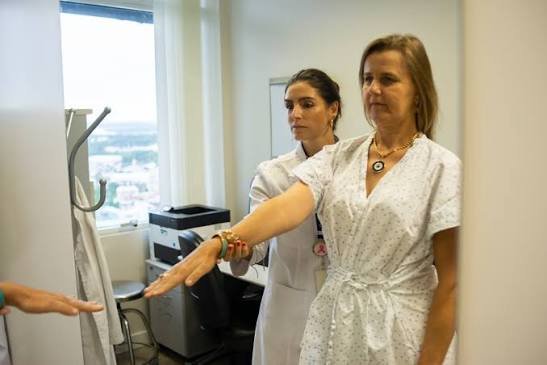
Preventive care is key to your long-term health. With rising skin cancer rates, regular screenings are necessary for everyone. A dermatologist performs thorough body checks to spot suspicious moles or dark spots early. These proactive measures can save lives by catching potential dangers before they spread, and finding abnormal growths early improves your chances of a successful recovery.
You must also protect your skin from harmful ultraviolet rays every day. Your doctor will recommend specific sunscreens and offer practical sun-avoidance strategies. For instance, they might suggest wearing protective clothing during peak sunlight hours. They will also teach you how to perform regular self-examinations between visits, helping you take an active role in your own skin health.
Offer Chronic Skin Disorders’ Treatments
Millions of people manage chronic skin conditions that impact their daily lives, including rosacea, eczema, and psoriasis. They require ongoing care from a knowledgeable skin disease specialist. While these disorders rarely disappear, medical intervention can control the symptoms. For instance, psoriasis causes thick, red, scaly patches. A dermatologist might suggest advanced options like targeted laser therapies.
Eczema causes intense itching and severe dryness. This can disrupt sleep and daily activities. Your doctor will help identify triggers and prescribe strong creams to calm inflammation. You can help by tracking your diet and stress levels. This helps your doctor identify underlying causes because working together as a team yields the best outcomes for your chronic skin issues.
Support Cosmetic Skin Care
While medical issues are a primary focus, dermatologists also offer cosmetic services. They will help you reduce signs of aging, smooth wrinkles, and remove unwanted hair. Professionals use safe, proven techniques to enhance your natural appearance while prioritizing your safety and delivering stunning transformations. Injectable treatments can quickly restore youthful volume to your face, as Botox relaxes facial muscles to smooth wrinkles.
Laser technology also provides remarkable aesthetic benefits. Clinics use advanced systems for laser hair removal and can also reduce visible sun damage with these lasers. You can purchase medical-grade skin care products from their office. This helps you maintain your glowing results at home by supporting your clinical treatments with high-quality products.
Schedule Your Dermatologist Appointment Today
Taking proactive steps toward better health will ultimately save you time and money. A qualified dermatologist possesses the exact skills needed to treat medical conditions, screen for cancer, and perform cosmetic enhancements. Do not ignore minor issues; take action to protect your health right now. Consult a local dermatology clinic to discuss your specific medical or cosmetic concerns. The friendly staff will guide you through the process and answer all your pressing questions. Book an appointment today, and start your treatment process toward clearer, healthier skin.