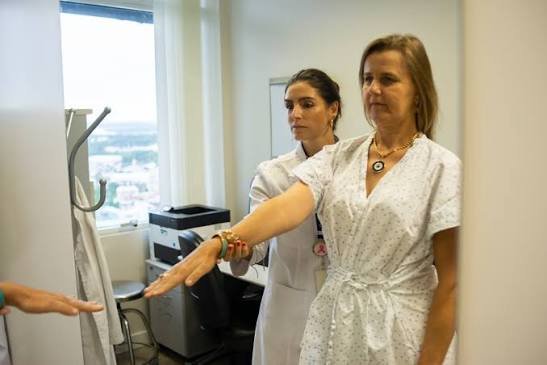
Open communication with your gynecologist is necessary for maintaining reproductive health and addressing concerns with confidence and clarity. A gynecologist provides specialized care related to women’s health, including preventive screenings, diagnosis, and treatment of various reproductive conditions. When patients feel comfortable discussing symptoms and personal health questions, the gynecologist will provide more accurate guidance and personalized care.
Improve Diagnosis and Treatment Accuracy
Your medical care depends on the information you provide. Sharing your full health history with your gynecologist helps them give you an accurate diagnosis. Tell them about symptoms like pelvic pain or abnormal bleeding. Vague descriptions will lead to more tests, but precise communication helps find the right diagnosis faster, as your input also helps create a treatment plan that works for you.
Being open about your lifestyle helps your doctor find the best solution. For instance, tell them if you forget to take a daily pill, your OB-GYN will suggest other birth control methods. You should also mention any side effects from medications so that they will adjust your dosage or try another option.
Address Sensitive Health Concerns Comfortably
Talking about reproductive health can feel personal, but your women’s health doctor discusses these topics daily. They handle issues like libido changes or unusual discharge. Sharing these concerns helps you find relief because your doctor sees them as medical facts rather than judgments. A good provider will listen with compassion and offer objective, scientific advice.
Feeling awkward is normal, but courage helps, and writing down your questions makes it easier to talk. A list helps you stay focused during your appointment so you don’t forget any key concerns. You can even hand the list to your specialist, a simple way to get the answers you need. Tackling these topics early also protects your future and prevents minor issues from becoming serious problems.
Support Preventive Care and Screenings
Preventive care is the foundation of lifelong health. Open dialogue ensures you get the right screenings at the right time. Your family medical history plays a big role in your risk factors. You must share any genetic conditions with your gynecology specialist because this information helps your doctor schedule early screenings, such as a breast cancer test.
A proactive approach helps you and your doctor work together. Share key details to guide your care, such as mentioning changes in your menstrual cycle length or flow. Tell your doctor about any new symptoms, such as pelvic pain, and update them on your family’s medical history. This catches problems before they become major health crises. For instance, a small change in your cycle might lead to an early evaluation. This could detect conditions like endometriosis or PCOS.
Encourage Confident Personal Health Decisions
Making informed choices about your body is necessary. You need to understand your medical options and their outcomes. Ask questions about any proposed treatment to help you make the best decision for your health. A supportive gynecologist will always answer your questions and explain complex medical terms in plain language.
This open communication transforms you from a passive patient into an active participant. This builds a strong foundation of trust with your doctor. Women who communicate openly report greater satisfaction with their care and feel more secure about their treatment paths. Feeling heard and respected reduces anxiety and improves health outcomes.
Schedule Your Gynecologist Appointment Today
Building a transparent relationship with your doctor yields fundamental benefits for your reproductive health and overall peace of mind. By sharing your symptoms accurately and discussing sensitive topics openly, you allow your medical team to deliver the highest standard of care.
Consult a gynecologist near you today for a comprehensive evaluation and effective personalized treatment plan. Don’t let fear or embarrassment prevent you from getting the expert guidance that will improve your reproductive health. Instead, reflect on your current health needs and prepare a few questions for your appointment.