


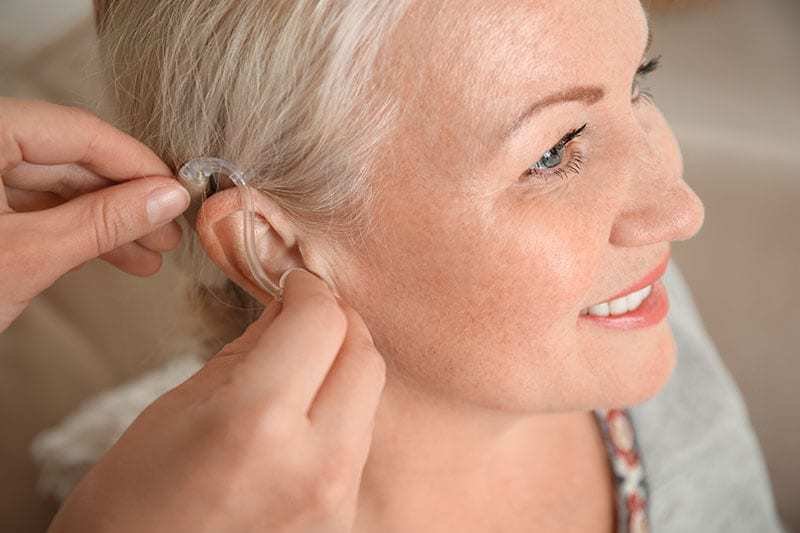
Hearing implants provide specific medical solutions for individuals with varying degrees of auditory loss, and different types are available. Surgeons place these permanent devices during medical procedures, and patients utilize them daily for sound. When standard exterior devices fail to meet daily needs, doctors prescribe these internal auditory options. Here is more information on hearing aids and what they encompass:
Various Hearing Levels
Hearing loss ranges from mild to profound, so treatment options vary based on exact measurements. While some patients detect loud noises, they miss softer consonant sounds during daily human conversations. Specialists measure these specific sound reception thresholds in controlled clinical environments.
Because hearing loss affects individuals differently, customized medical interventions yield ideal outcomes. Sounds become difficult to process, and speech recognition declines over time. Medical professionals evaluate each unique auditory profile before recommending any specific surgical device. Hearing implants might be needed for:
- Individuals with profound hearing loss who do not benefit from conventional hearing aids.
- Patients with significant difficulty in speech understanding, even with amplification devices.
- Those with single-sided deafness or asymmetrical hearing loss affecting daily communication.
- Children with severe hearing impairments, for whom early intervention can aid language development.
- Individuals seeking improved sound clarity and access to a wider range of frequencies.
Cochlear Implants
Cochlear implants bypass damaged portions of the ear to deliver sound signals directly. The external microphone captures environmental sounds, and the internal receiver stimulates the auditory nerve. As the brain receives these electronic signals, it interprets them as recognizable sounds.
When hair cells within the inner ear suffer damage, natural hearing pathways fail. This specific implant bridges that physical gap, but it requires surgery for placement. Patients undergo thorough evaluations prior to receiving this specific type of auditory device.
The external processor typically sits behind the ear, and a magnetic transmitter connects it internally. Since the technology requires specialized programming, audiologists can adjust the settings over multiple clinical visits. Ongoing therapy helps individuals adapt to the new electronic sound signals.
Implantable Hearing Aids
Fully implantable hearing aids typically contain all necessary microphones and batteries beneath the user’s skin. You charge the device using an external unit, so nothing sits on your ear. Because the entire system remains internal, users participate in water activities without removing equipment.
Semi-implantable Implants
While traditional hearing aids amplify sound, semi-implantable devices physically vibrate the middle ear bones. These specific systems utilize an internal device, and users wear an external microphone. Here are some features of this implant type:
- They leave the ear canal completely open.
- They reduce feedback issues during daily use.
- They require a brief surgical procedure.
If patients struggle with standard earmolds, doctors may suggest this alternative approach. Semi-implantable implants provide a viable solution for individuals who experience difficulties with traditional hearing aids. They are easy to maintain and offer a more discreet choice, making them a practical option. While the procedure requires minor surgery, the long-term potential benefits, such as improved sound clarity and reduced interference, typically outweigh the initial inconvenience.
Try Hearing Implants Today
When you experience hearing challenges, professional evaluations guide your next medical steps. There are many hearing implant options today, and doctors guide you through the available technology. Contact a local hearing specialist today to schedule your comprehensive examination.
- Dominic D’Agostino: Examining the Overlooked Metabolic Link Behind Bipolar Disorder
- A Practical Guide To The Leading Cosmetic Dentists In Lexington, Kentucky
- Daily Habits That Help Dental Implants Last Longer in Naples, Florida
- Full-Arch Dental Implant Planning: What Sacramento, California Patients Should Know
- How To Build Safer, More Useful Personal Care Products