A face lift is a surgical procedure tailored to address visible signs of aging in the face and neck. With age, the skin and underlying tissues lose firmness and elasticity, resulting in sagging skin, deep creases, and changes in facial contours. Face lift procedures are intended to reposition and tighten these tissues, remove excess skin, and restore a smoother, more youthful profile. Understanding the primary techniques can help guide decisions for those exploring surgical approaches to facial rejuvenation.
What Is a Face Lift?
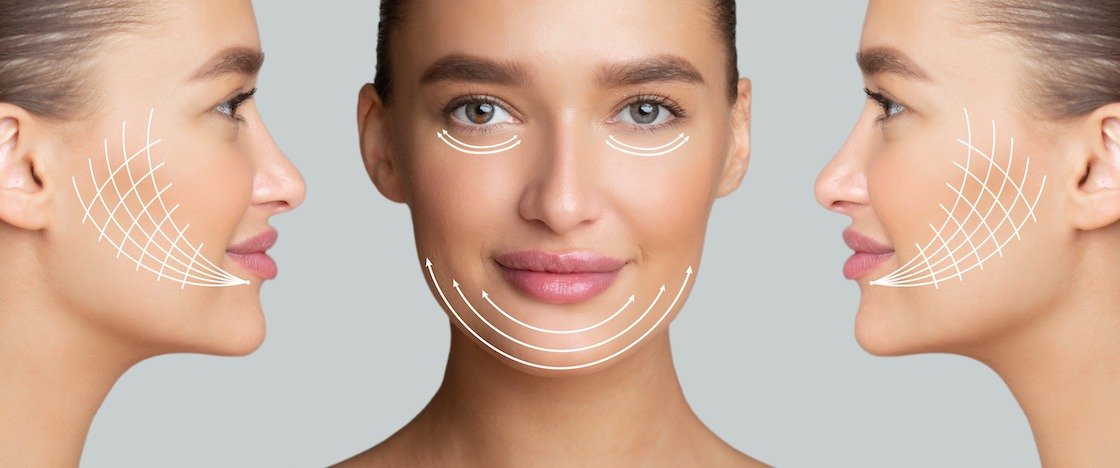
A face lift is a procedure that is designed to improve the appearance of the face and the jawline. It addresses sagging in the cheeks, jowls, and loose skin or fat below the chin. The procedure works by lifting and tightening the underlying muscles and connective tissues and removing excess skin, resulting in a smoother facial appearance.
This surgery does not halt the aging process or alter the underlying bone structure. Many individuals choose to combine a face lift with procedures such as brow lifts to address multiple concerns at once, depending on anatomy and goals. The combined approach can contribute to a more comprehensive rejuvenation of the facial features.
What Techniques Does It Involve?
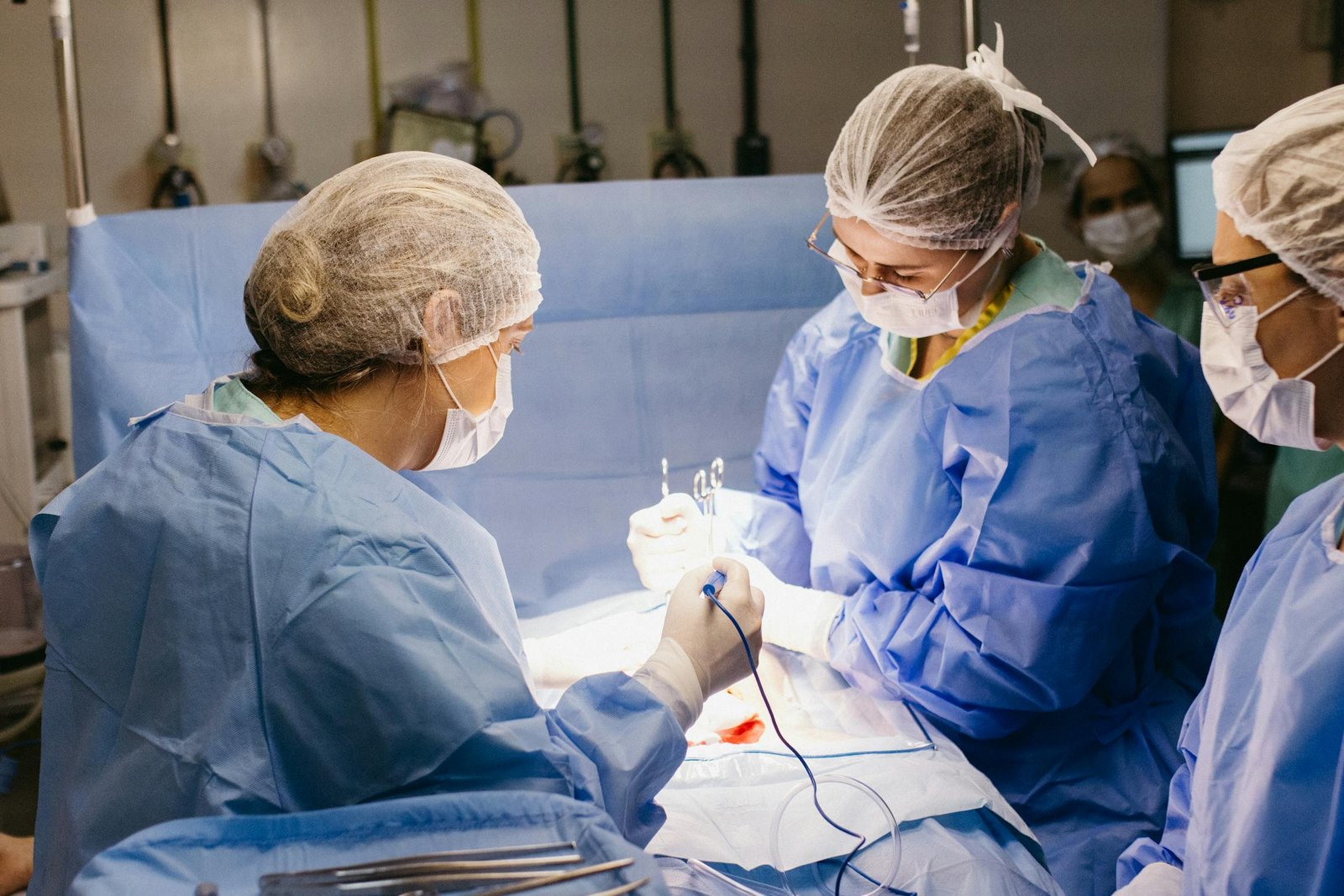
Plastic surgeons employ specific techniques that differ in incision placement, targeted areas, and the extent of tissue adjustment. The traditional face lift offers the most extensive correction for individuals with advanced signs of aging. Incisions begin in the hairline at the temples, continue around the ear, and end in the lower scalp. Through these incisions, the surgeon can lift and tighten the underlying tissue layer. Excess skin is trimmed away, and the remaining skin is draped smoothly over the uplifted tissues. A secondary incision under the chin may be used to address neck aging.
What Should You Expect?
After the procedure, a bandage can be applied to reduce swelling and bruising. Small drainage tubes are sometimes placed temporarily to prevent fluid accumulation. Direct postoperative care includes instructions for managing the surgical site, drain management if necessary, guidance on medications, and a follow-up schedule.
Swelling and bruising peak in the initial weeks following surgery. Patients may be advised to rest with the head elevated and avoid strenuous activities, including exercise and heavy lifting, for several weeks. The results of the surgery become more apparent as swelling resolves, though complete resolution can take months. Incision lines will gradually fade but may remain visible for some time.
Risks include discomfort or delayed healing. The risk level is influenced by general health and affected by your adherence to postoperative care instructions. A thorough preoperative evaluation and discussion with the surgeon can help clarify these risks, helping one to understand the expected outcomes based on personal health history and anatomy.
Seek Professional Aesthetic Care
Plastic surgeons have specific training and expertise in face lift procedures. During the consultation process, the surgeon evaluates unique facial anatomy, skin characteristics, and medical history to recommend appropriate treatment options. Comprehensive education and open dialogue with a surgeon provide a valuable opportunity for prospective patients to make informed decisions. Quality medical guidance supports not only safe surgery but also optimal results for those seeking facial rejuvenation.