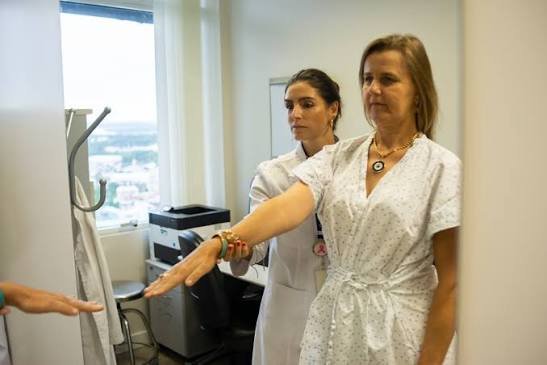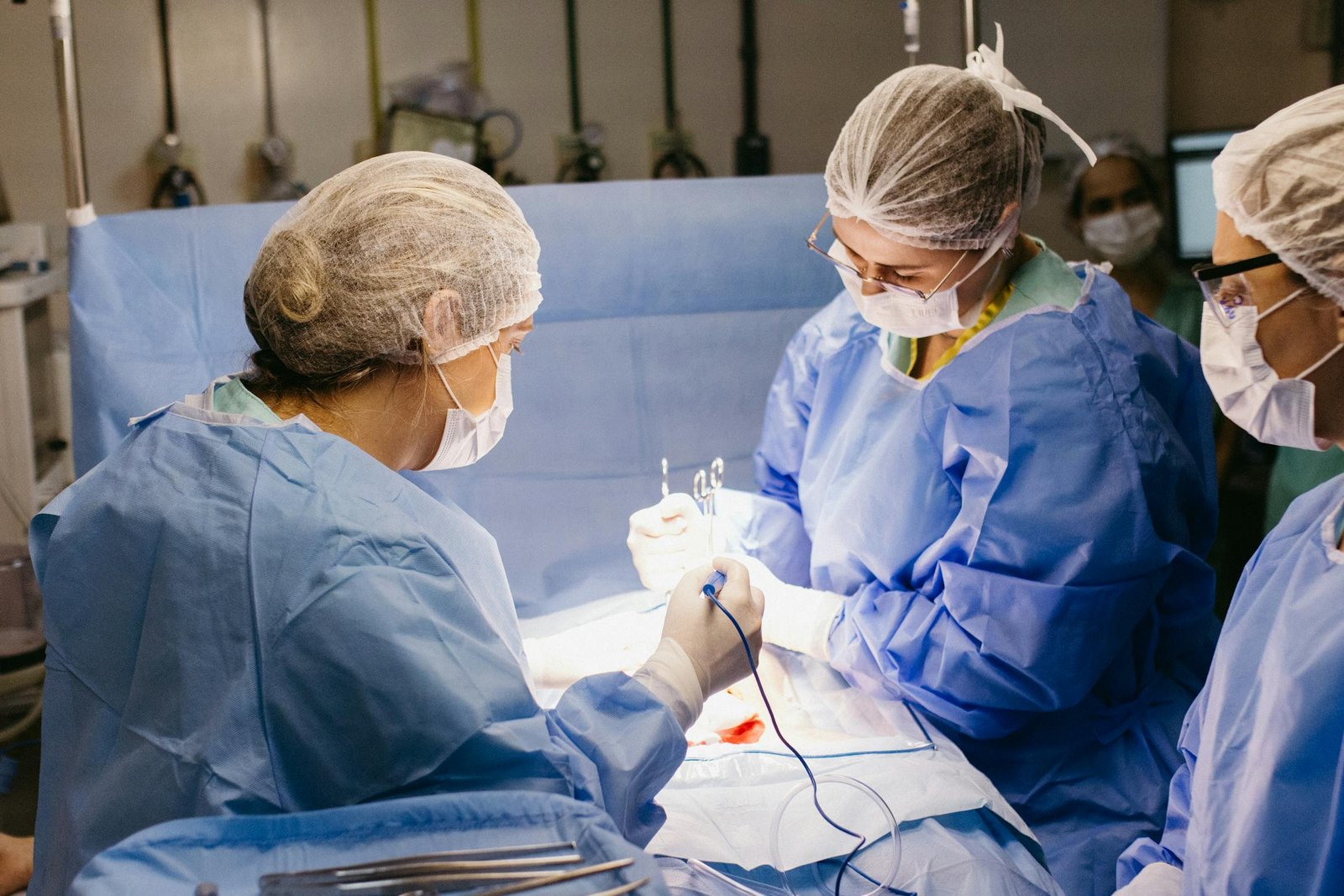


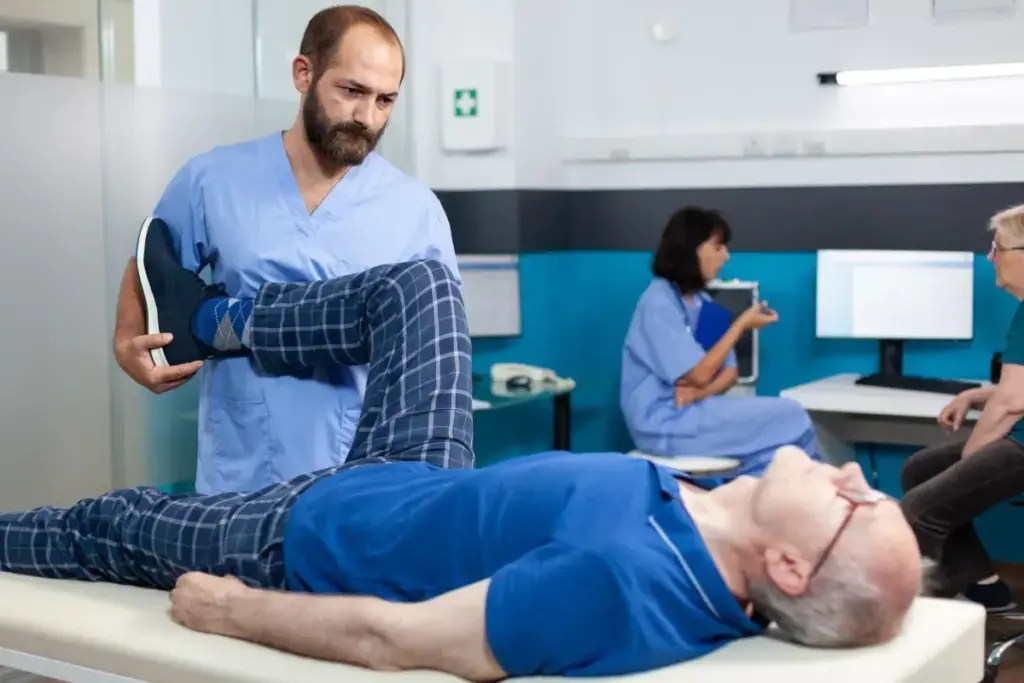
Orthopedic surgery for back pain can be a significant step toward relief for individuals with chronic discomfort. While the procedure addresses the underlying issue, the recovery period is just as meaningful for a successful outcome. The rehabilitation journey involves managing discomfort, following medical guidance, and gradually reintroducing activity to restore strength and mobility. Each person’s recovery experience is different, and the type of surgery, your overall health, and commitment to rehabilitation all play a part. A structured approach to postsurgical care supports the body’s healing.
What Is Back Surgery For?
Surgeons perform operations on the spine to address conditions that cause pain or limit function, usually when non-surgical treatments have not provided enough relief. The objective is often to decompress a nerve root or stabilize the spine. Common reasons for back surgery include herniated discs, where the cushion between vertebrae presses on nerves, and spinal stenosis, the narrowing of the spinal canal. Degenerative disc disease may also lead to pain that is addressed with surgery. Procedures can range from minimally invasive discectomies to more complex spinal fusions.
What Causes Post-Surgery Back Pain?
Experiencing some pain after back surgery is a normal part of healing. The body’s response to the procedure is a primary cause, as tissues, muscles, and nerves mend. Pain from the incision is also expected. Back pain can persist for several reasons. Failed back surgery syndrome is a term used when a surgical treatment was ineffective. One leading cause is epidural fibrosis, the routine formation of scar tissue around nerve roots. Patients who have had spinal fusion may also develop adjacent-segment disease, where the area around the fused segment breaks down years later. Another potential issue is recurrent disc herniation, which can happen if a tear in a spinal disc does not seal completely after surgery.
How Can It Be Addressed?
Managing pain after back surgery involves a multifaceted approach centered on your surgeon’s instructions. Your physician will likely prescribe medication to manage discomfort. For persistent pain, other options may be explored. Epidural steroid injections into the lumbar spine reduce inflammation and improve movement. Facet joint injections contain a local anesthetic and can block specific nerve signals causing pain.
Rest is necessary, but so is movement. Your medical team will provide guidelines on activity levels. You may also learn proper body mechanics for bending, lifting, and sitting, avoiding stress on your spine. Adhering to restrictions is a key part of protecting the surgical site.
For chronic or severe post-surgery pain, other treatments may be available. Radiofrequency ablation uses heat to disrupt a nerve’s ability to send pain signals. A spinal cord stimulator is a surgically placed device that sends electrical currents to interrupt pain signals before they reach the brain.
Seek Professional Pain Management Services
Recovery after back surgery is a gradual process requiring patience. While some discomfort is a natural part of healing, persistent pain should be discussed with your medical team. Pain management specialists can offer advanced therapies and tailored strategies if your discomfort continues. Open communication with your healthcare providers allows for adjustments to your recovery, which helps you achieve the best possible long-term results.