Regular visits to an optometrist allow you to identify and address eye health issues early. You may also need routine visits when using eyeglasses and contact lenses. Eye doctors address your needs and resolve or manage vision issues. Here are a few things to expect at your appointment with an eye doctor:
Consultation and Medical History Review
When you first visit an eye doctor, they’ll ask about your name, age, and symptoms or reasons for visiting. They’ll then review your full medical history, asking questions to help them understand the underlying condition or risk factors. Consultations help establish your needs and create a profile that will inform future procedures and treatments. Expect the doctor to ask questions about past medical procedures or eye health conditions that run in your family. Doctors also ask questions about past and current medications.
Eye conditions may cause blurred vision, headaches, eye strain, and difficulty focusing. Diseases like glaucoma and diabetic retinopathy also have specific symptoms that an optometrist will diagnose. You can also expect discussions about daily visual habits, such as screen use, driving, and reading. If you wear glasses or contact lenses, the initial appointment may involve assessing whether your current prescriptions meet your needs.
Preliminary Vision and Refraction Tests
Eye doctors may perform various tests to assess your eye health and overall vision. Preliminary evaluations include visual acuity tests that involve reading letters from an eye chart to measure how clearly you see at different distances. The doctor may perform a tonometry procedure to measure the pressure inside your eyes. Eye pressure tests help check for potential glaucoma. Other tests include:
- Eye muscle and coordination test: Involves following an object with your eyes to check if you have proper coordination.
- Pupil response: Observes how your pupils react to light.
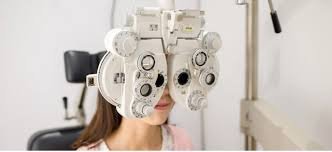
- Refraction test: Uses a phoropter to determine the correct prescription for glasses or contact lenses.
- Slit lamp examination: Uses a powerful microscope to examine the eyelids, cornea, and iris.
- Dilation: Involves using eye drops to widen your pupils and allow a clear view of the back of your eye.
- Retinal examination: Uses special lenses to check the health of your retina and optic nerve for signs of disease.
- Peripheral vision test: A visual field test that assesses your side vision to detect potential loss.
Comprehensive eye evaluations help detect whether you’re nearsighted, farsighted, or have astigmatism. Eye doctors can also diagnose conditions, such as macular degeneration or cataracts. The diagnosis results help eye doctors develop or adjust your prescription and track treatment outcomes over time. Your doctor will also provide remedies for symptoms, such as dry eyes, pain, and infection.
Post-Evaluation Discussions and Recommendations
Following eye evaluation, your doctor will explain the findings and discuss the next steps. Expect a vision score, eye health findings, and suggestions about whether you need corrective lenses or additional testing. Identified conditions can be treated on the spot or scheduled for future procedures.
Expect guidance on proper lens care, screen habits, and vision-friendly nutrition. Your eye doctor may also refer you to an ophthalmologist for specialized treatment involving eye surgery and laser correction or retinal detachment repair. Post-evaluation discussions provide guidelines to help prevent long-term eye health complications. Doctors also prescribe medication, glasses, contacts, and procedures. Follow your doctor’s recommendations and contact them for all queries regarding your vision and symptoms.
Speak to an Optometrist Today
Visiting an eye doctor is the right decision if you have any symptoms that affect your vision. You can also schedule routine visits, such as annual eye exams or contact lens refittings, for optimal eye health. Contact an optometrist today to find out more about their services.