


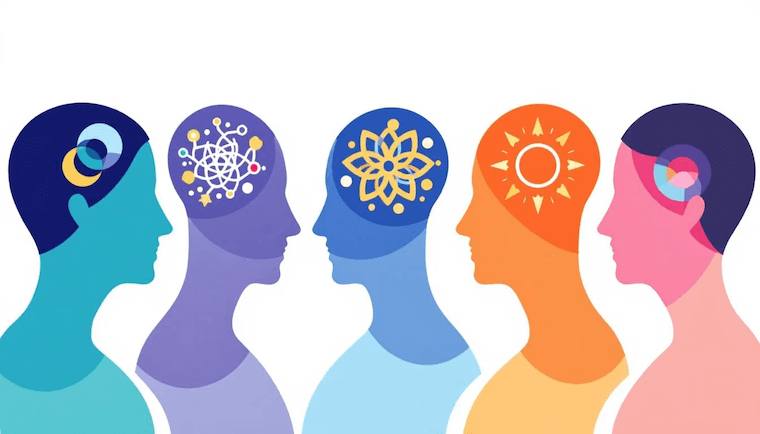
Depression can present differently depending on a person’s age, making it fundamental to recognize the unique signs that appear in children, teens, adults, and older adults. While sadness and loss of interest are common indicators, the symptoms of depression often show up in subtle or unexpected ways across different life stages. Understanding these variations can help you identify when someone may be struggling and getting the right support.
Depression in Children
In children, depression symptoms can be subtle and easily mistaken for normal developmental phases or behavioral issues. Instead of verbalizing sadness, children may display it through their actions. Irritability, anger, and frequent mood swings are common indicators of a depressive episode in younger individuals.
Parents may notice changes in their child’s daily habits. A child experiencing depression may suddenly have trouble at school, refuse to participate in games, or complain of physical ailments, such as stomachaches or headaches that have no clear medical cause. Changes in sleep patterns, such as sleeping more or less than usual, may also signal an underlying issue.
Depression in Teenagers
Depression in teenagers often involves intense emotional changes. While sadness is a key symptom, it can be overshadowed by pronounced irritability, anger, and feelings of worthlessness. Teenagers may withdraw from family and friends, lose interest in their hobbies, and experience a significant drop in their academic performance. This age group also faces unique risk factors that can contribute to a depressive disorder, including academic pressure, social challenges, and hormonal changes. Make sure to take any mention of self-harm or suicidal thoughts seriously and seek professional help immediately.
Depression in Adults
For adults, the symptoms of depression are often what people typically associate with the condition. These include persistent low mood and significant changes in appetite or weight. Adults with depression often report feeling fatigued and lacking the energy to complete daily tasks at work or home.
Feelings of guilt and worthlessness are also prevalent, along with difficulty concentrating and making decisions. While stress is a normal part of adult life, these feelings become overwhelming and persistent during a depressive episode. Physical symptoms, such as unexplained aches and pains, can also be a sign of this mental health condition.
Depression in Older Adults
Depression in older adults is frequently overlooked or misdiagnosed. Symptoms are often dismissed as a normal part of aging or attributed to other medical conditions. Instead of expressing sadness, older adults may report a lack of emotion or an “empty” feeling.
Other indicators include unexplained fatigue, loss of appetite, and difficulty sleeping. Social withdrawal and a reluctance to engage in new activities are also common signs. Older adults often have other health issues; it is helpful to contemplate whether new physical complaints or a worsening of chronic pain could be linked to their mental health.
Get Professional Support for Depression
Recognizing the signs of depression is the first step toward getting help and recovery. The symptoms can vary significantly across different age groups, from behavioral issues in children to physical complaints in older adults. For signs of a depressive disorder, contact a qualified psychiatrist near you for a professional diagnosis, guidance, and an effective treatment plan tailored to your specific needs.
- Questions to Ask Before Joining a Clinical Study
- A Clear Guide to Choosing and Preparing for a Cancer Clinical Trial
- Choosing Adult Autism Residential Support: A Practical Guide to Daily Life, Safety, and Independence
- Clinical Trial Phases: What Each Stage Means for Participants and Patients
- Clinical Trials: Important Facts Before Patient Participation


