


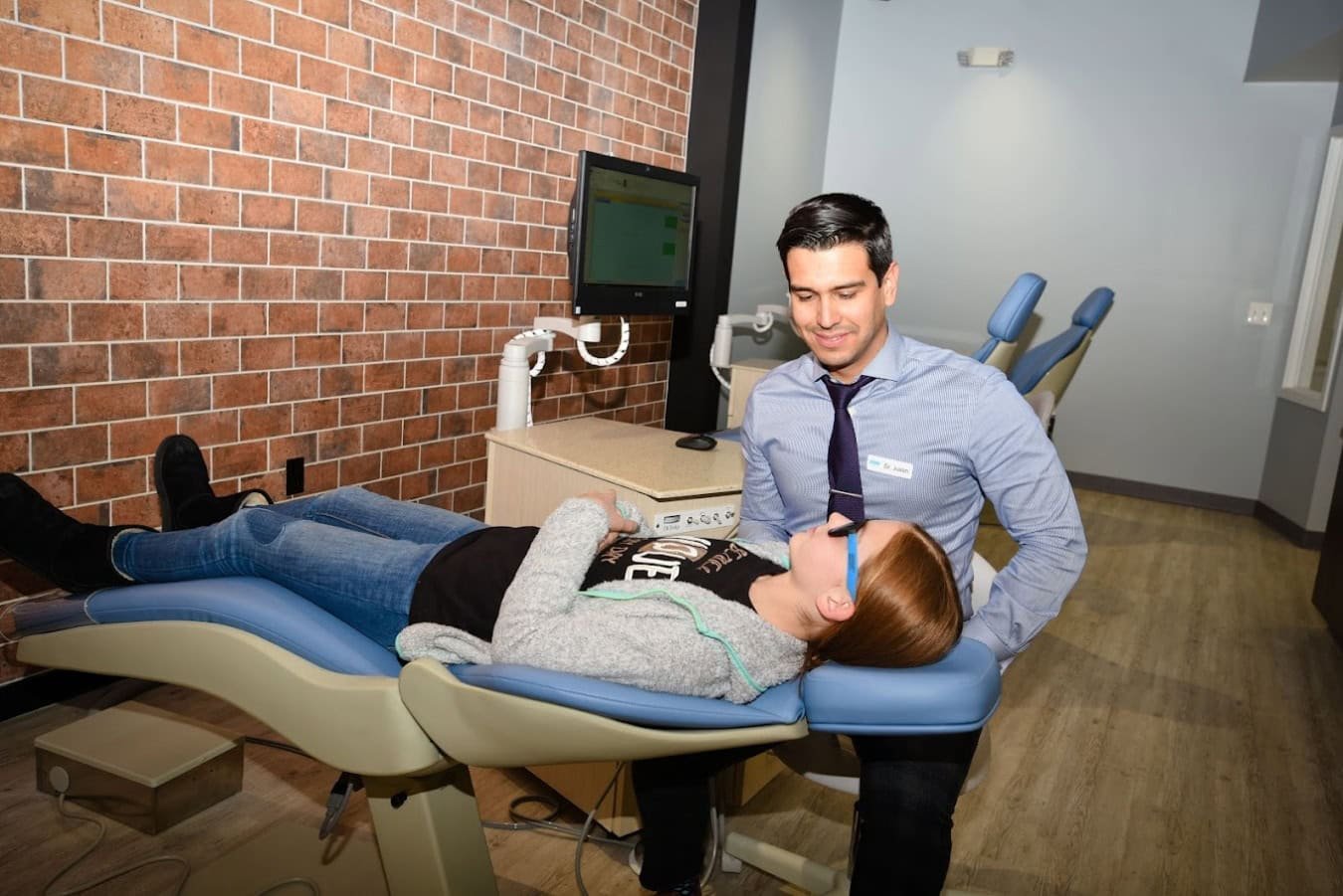
Selecting an orthodontist for your family is a valuable healthcare decision that can significantly impact your oral health for years to come. The process requires careful thought about factors such as credentials, experience, treatment approaches, and financial details. Knowing what to look for in an orthodontist will help you make an informed choice that suits your family.
Orthodontic Credentials and Training
An orthodontist is a professional who is required to complete dental school, followed by specialized training in orthodontics. This additional training focuses on areas like tooth movement, jaw alignment, and facial development. A strong educational foundation confirms they have the expertise needed for quality care.
Some orthodontists specialize in pediatric orthodontics, while others focus on adult treatments or complex cases involving jaw surgery. Ask about their experience with specific treatments relevant to you or your family. This will help confirm they are the right fit for your situation.
Treatment Options and Technology
Many modern orthodontic practices offer treatments beyond traditional metal braces, providing patients with more options to suit their individual needs. Clear aligners, ceramic braces, and lingual braces are popular alternatives that provide effective results with added aesthetic appeal. Many practices also utilize advanced technologies, such as digital imaging, 3D modeling, and computer-aided planning, to enhance accuracy and improve outcomes.
When choosing an orthodontist, explore their treatment options and ask questions during consultations to help you find the best fit. Inquire about treatment timelines, expected outcomes, and potential complications to thoroughly understand the process. A good orthodontist will explain everything clearly and set realistic expectations to help you make an informed decision about your care.
Practice Environment and Communication
The practice environment plays a key role in your family’s treatment experience. Visit orthodontic offices to assess cleanliness, organization, and atmosphere. Make sure the staff is professional, responsive, and willing to address your concerns. Observe how the orthodontist and staff communicate with patients, as collaboration is key for effective treatment. It may be helpful to check if the office offers flexible scheduling and convenient appointment times to accommodate your family’s busy routine.
Financial Details and Insurance
Orthodontic treatment is a significant financial commitment, so understanding the costs upfront is beneficial. Be sure to request detailed treatment estimates that outline fees and payment schedules. Review your insurance coverage carefully to determine which treatments are covered under your plan. Many practices also offer payment plans or financing options, making it easier to manage costs.
When comparing practices, be mindful of very low prices, as they may come with shortcuts in care or hidden fees. At the same time, higher prices don’t always guarantee superior treatment. Take the time to evaluate your options and choose a provider that balances quality care with a plan that fits your budget.
Choose a Family Orthodontist
Choosing the right orthodontist requires thorough research and evaluation of factors such as credentials, treatment options, practice environment, and financial considerations. Focus on experience, clear communication, and professionalism. Taking the time to find the right orthodontist leads to better treatment and long-term oral health for you and your family.
- Questions to Ask Before Joining a Clinical Study
- A Clear Guide to Choosing and Preparing for a Cancer Clinical Trial
- Choosing Adult Autism Residential Support: A Practical Guide to Daily Life, Safety, and Independence
- Clinical Trial Phases: What Each Stage Means for Participants and Patients
- Clinical Trials: Important Facts Before Patient Participation


